

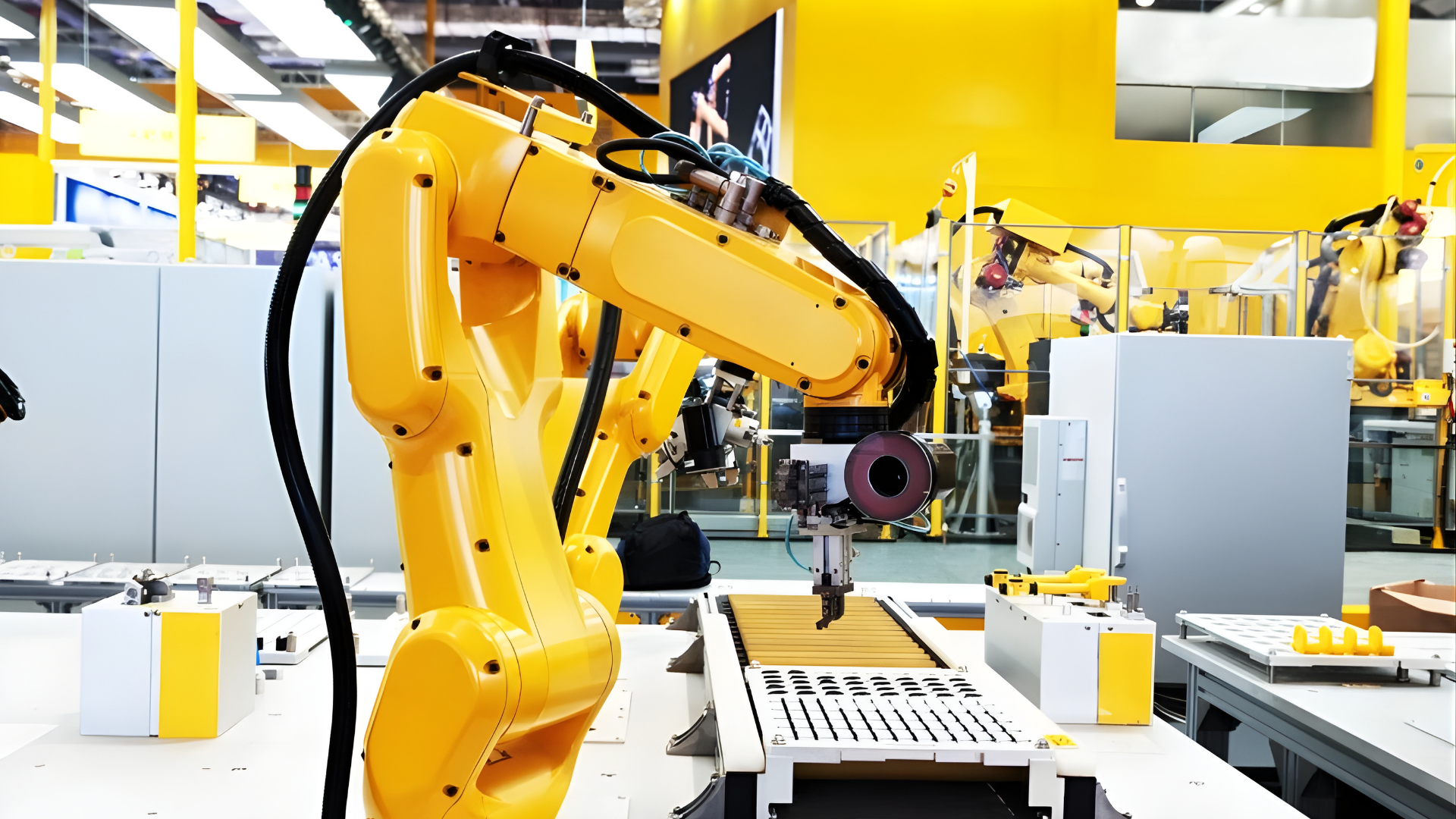
The pace of innovation, driven by rapid growth in EV charging, robotics, aerospace, IoT, wearables, and smart devices, is outpacing the reliability of traditional electronic components sourcing. As demand increases, so does the pressure on manufacturers to secure reliable access to high-quality electronic components. Entering 2026, supply chain resilience has become a strategic priority for companies looking to maintain stability and reduce risk.
Below are the key strategies shaping resilient component sourcing for 2026 and how K1 Technologies supports manufacturers in each area.
1. Strengthen Sourcing Through Supplier Diversification
Relying on a single supplier or region is one of the biggest risks in today’s market. Geopolitical shifts, material shortages, and transportation delays can disrupt production instantly.
A resilient supply chain uses:
- Multi-sourcing strategies
- Regional diversification
- Access to vetted global suppliers
With more than 400 suppliers in over 40+ countries, K-1 Technologies helps manufacturers reduce risk and maintain continuity even when markets shift.
2. Use Market Pricing Intelligence to Stay Ahead of Volatility
Component pricing can change quickly (sometimes week-to-week) depending on demand cycles, material availability, and global production capacity.
- Market pricing intelligence gives procurement teams:
- Real-time visibility into pricing trends
- Early warnings on cost increases
- Opportunities to secure better terms
- Leverage during negotiations
This insight helps manufacturers avoid overpaying and plan more accurately for upcoming builds.
3. Improve Product Profitability and Reliability Through BOM Analysis
A Bill of Materials (BOM) is more than a parts list; it’s a roadmap for cost, quality, and production efficiency.
A strategic BOM analysis can identify:
- Alternative components with better availability
- Cost-saving substitutions
- Parts with long lead times or high risk
- Opportunities to consolidate suppliers
This process reduces delays, improves reliability, and ensures the final product meets performance requirements.
4. Implement Vendor Managed Inventory (VMI) for Stability
Inventory shortages can halt production, while excess inventory ties up capital. VMI helps manufacturers strike the right balance.
Benefits include:
- Reduced lead times
- Fewer emergency buys
- Improved forecasting
- Consistent production flow
For high-volume manufacturers, VMI is one of the most effective tools for building long-term supply chain resilience.
5. Prioritize Quality Assurance and Counterfeit Prevention
A 10-year quality assurance warranty is an example of the commitment that differentiates a reliable supplier in a crowded market. As demand grows, so does the risk of counterfeit or substandard electronic components entering the market. Quality assurance is essential for protecting both the product and the brand.
A strong QA program includes:
- Sourcing from vetted suppliers
- Multi-stage inspection
- Traceability
- Long-term warranties
6. Plan for Lead Time Volatility
Lead times can shift dramatically based on global events, material shortages, or spikes in demand.
Manufacturers should build flexibility into their planning by:
- Forecasting earlier
- Securing long-term agreements
- Using buffer stock for critical components
- Monitoring market conditions regularly
Proactive planning reduces the risk of production delays and last-minute sourcing challenges.
Looking Ahead
The companies that thrive in 2026 will be those that treat supply chain resilience as a strategic priority. By combining global sourcing, pricing intelligence, BOM analysis, VMI, and strong quality assurance, manufacturers can build a supply chain that is not only stable but also a true competitive advantage.
